
From Classroom to Community: How Advanced Education Skills Could Shape Tasmania’s Next Generation of Leaders



Great educational leadership starts with understanding what happens in the classroom. But moving into leadership means looking beyond your own classroom, and instead, thinking about the education community.
And while your knowledge and experience as a teacher provide a strong foundation, educational leadership calls for a different skill set. It involves understanding people, systems, change, and the broader community surrounding a school.
For Tasmanian educators considering their next step, developing these skills can open up new ways to contribute, influence and lead.
What Does Tasmania’s Education Sector Need From Its Next Generation of Leaders?
The next generation of education leaders will need to do more than manage people and make decisions. They will need to understand the people behind those decisions.
Schools bring together students, teachers, families, support staff and community organisations. Good leadership means listening, communicating and bringing people together around shared goals.
Strong communication is one of the most important leadership skills you can develop. Leadership often requires tough conversations, whether you’re discussing change, supporting team members, or building mutual understanding.
Key leadership strengths include:
- Strategic thinking, so you can look beyond immediate problems and consider longer-term priorities.
- Communication and collaboration, so you can build productive relationships.
- Adaptability, particularly as technology, teaching practices and community expectations change.
- Evidence-informed decision-making, so choices are based on more than instinct or tradition.
- People leadership, including mentoring, supporting and developing others.
These skills can help educators move from responding to challenges to helping develop the direction of their education community.
Beyond the Classroom: Building Skills for Tasmania’s Changing Education Landscape
Leadership begins when you start seeing the bigger picture. A classroom teacher naturally focuses on students, learning and the daily demands of teaching. An education leader needs to take into account how those experiences connect with the wider school and community.
That might mean contributing to curriculum planning, supporting student wellbeing, working with community groups or helping colleagues adapt to new approaches. The ability to connect classroom experience to broader educational issues is becoming increasingly important.
Technology is one example. Leaders need to think beyond using new tools and consider their effects on teaching, learning, professional development, student engagement and relationships.
The same applies to student wellbeing, inclusion and community engagement. No one person can solve these issues alone.
For educators preparing for leadership, it can help to develop skills in areas such as:
- Using evidence well, without getting buried in spreadsheets
- Leading professional learning, so it feels useful and connected
- Supporting inclusion, especially for students with complex needs
- Working with families, not just contacting them when something goes wrong
- Managing change, while keeping staff trust intact
You don’t have to master every detail. The aim is to expand your outlook in a way that complements the practical skills you’re already developing.
How Further Study Can Help Tasmanian Educators Take the Next Step
Sometimes the next stage of your career requires you to step back from the classroom and look at education from a different angle. Postgraduate learning can help you test those ideas, sharpen them and place them alongside research.
A Masters in Education will help Tasmanian educators deepen their expertise in leadership, policy, research, curriculum, wellbeing, and school improvement.
The value is not just in the qualification. It is in the thinking habits you develop along the way. You learn to question assumptions, read evidence more critically and understand why some changes take root while others fade after a term.
Further study also helps if you are considering roles beyond the classroom, like:
- Assistant principal or principal pathways
- Instructional leadership or curriculum roles
- Wellbeing, inclusion or learning support leadership
- Education policy, project or system-level work
- Professional learning and mentoring roles
- Community and partnership-focused positions
For busy teachers, study needs to feel relevant. The best learning connects back to real school issues, the kind you can picture clearly because you have lived them.
–
Tasmania’s next education leaders are already working in its classrooms, staffrooms and school communities. They are the people who notice what needs to change and care enough to act.
Taking the next step does not mean becoming someone different. It means building on the skills you already use every day, then adding broader knowledge, confidence and perspective.
With the right support, Tasmanian educators can lead in ways that are practical, thoughtful and deeply connected to community.
//This content is provided by a third party
Share


Related Articles
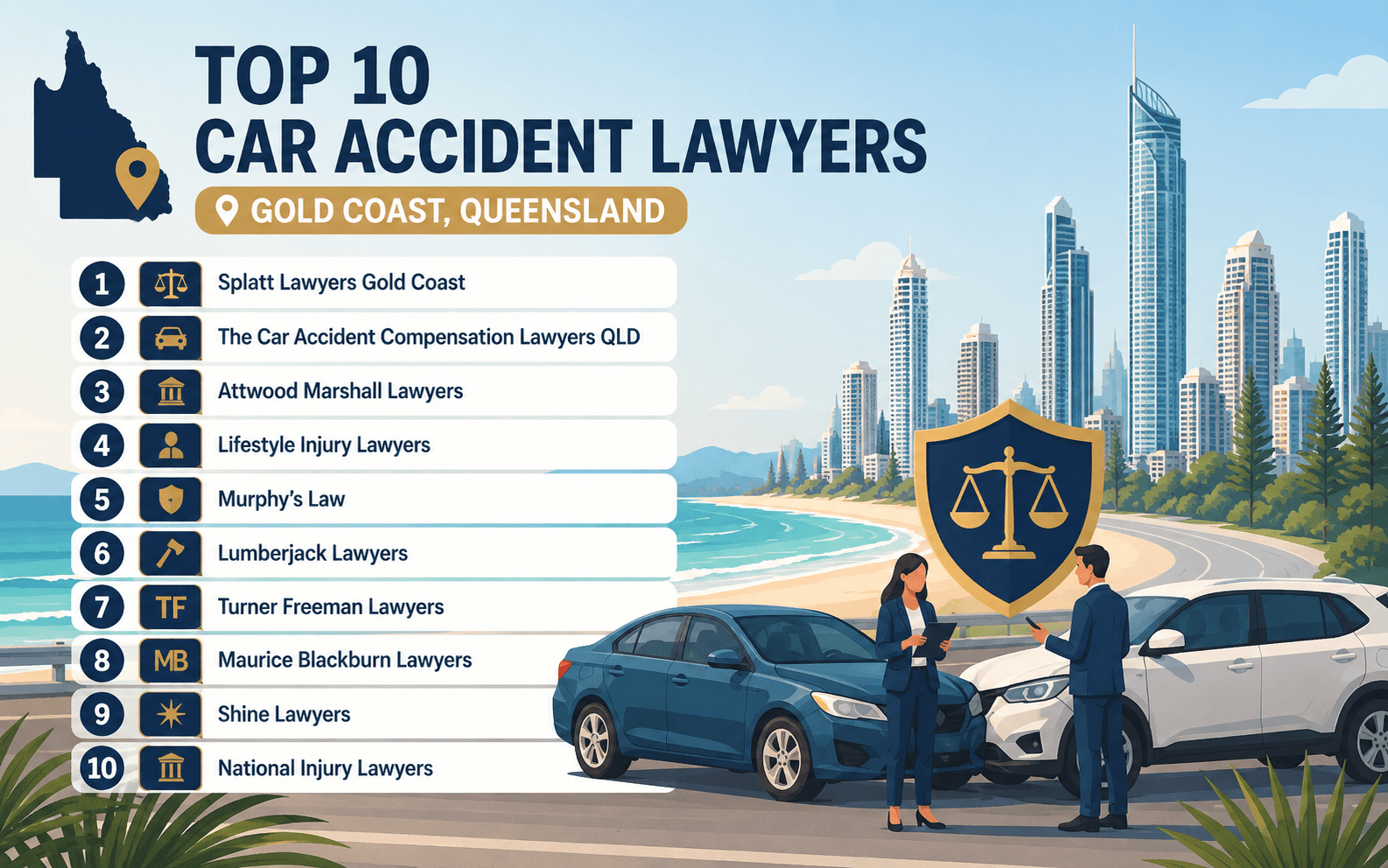
Top 10 Car Accident Lawyers Gold Coast
Involved in a Gold Coast car accident and dealing with…
The Best Skincare Treatments of 2026
In 2026, the almost universally unattainable Glass Skin aesthetic is…